Silver Birch Bark — the Tree That Reveals Itself Slowly
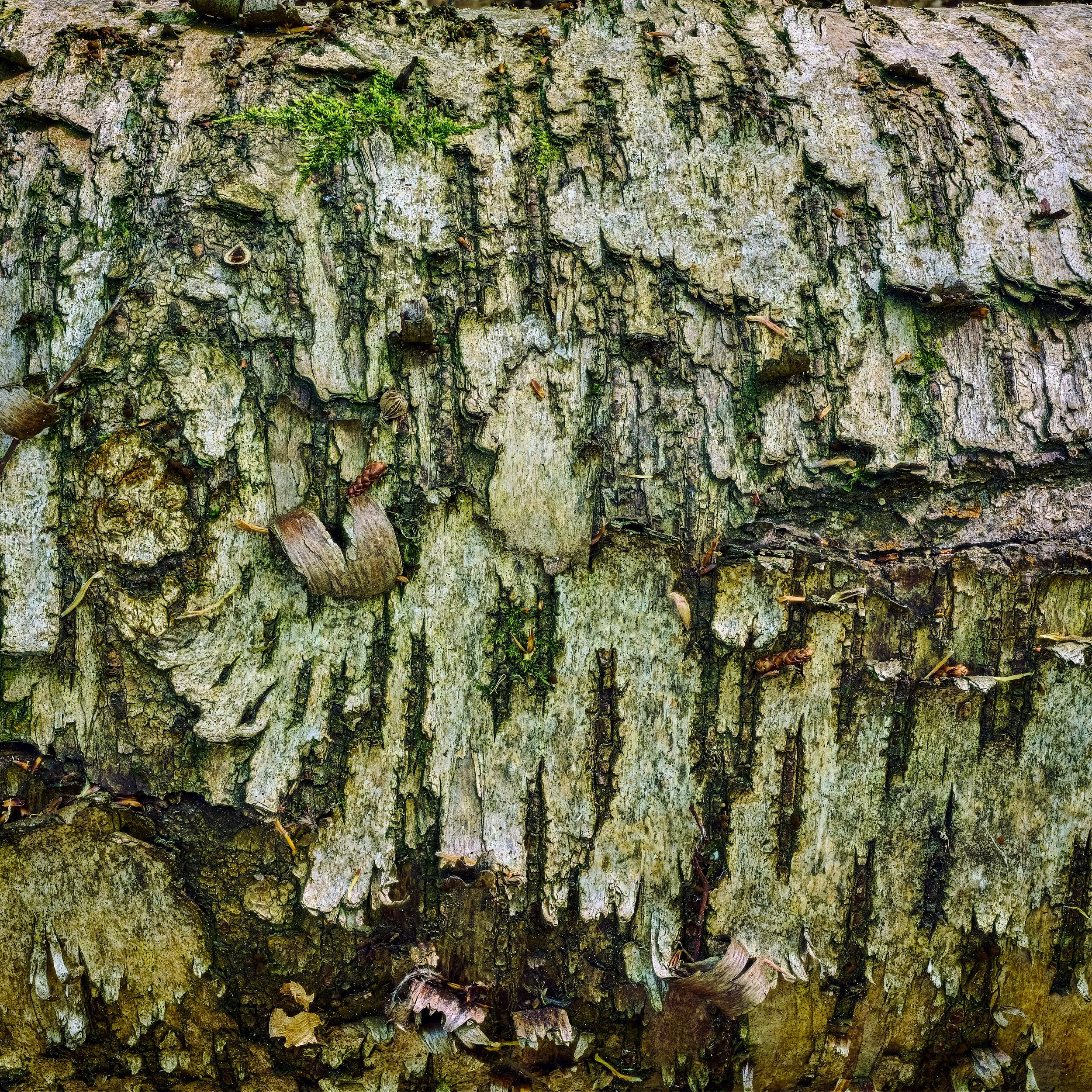
There is a particular kind of beauty that only appears after something has been through difficulty. The silver birch trees in the woods near Welwyn have taught me that more clearly than almost anything else I have photographed. Many of them have come down — cut back, fallen in high winds, left where they landed. And in falling, they have become more interesting than they ever were standing.
Silver birch is one of Britain's most recognisable trees. The white bark, the delicate canopy, the way it moves in even a light breeze — it is a tree most people feel they know on sight. But familiarity is the enemy of looking properly. I walked past birch trees for years before I got close enough to understand what the bark was actually doing. The white outer layer is just the beginning. Beneath it, and within it, is an entirely different story.
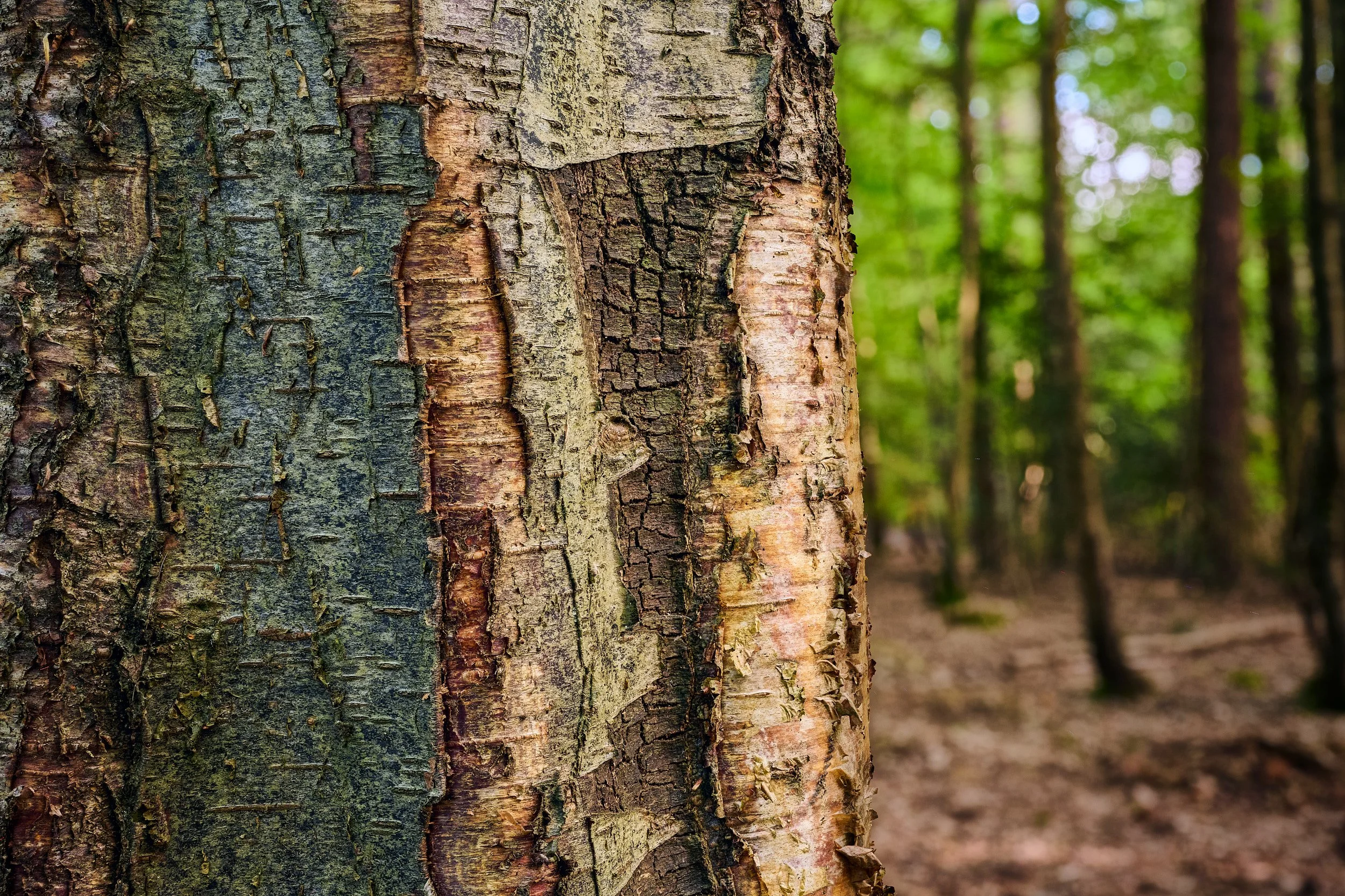
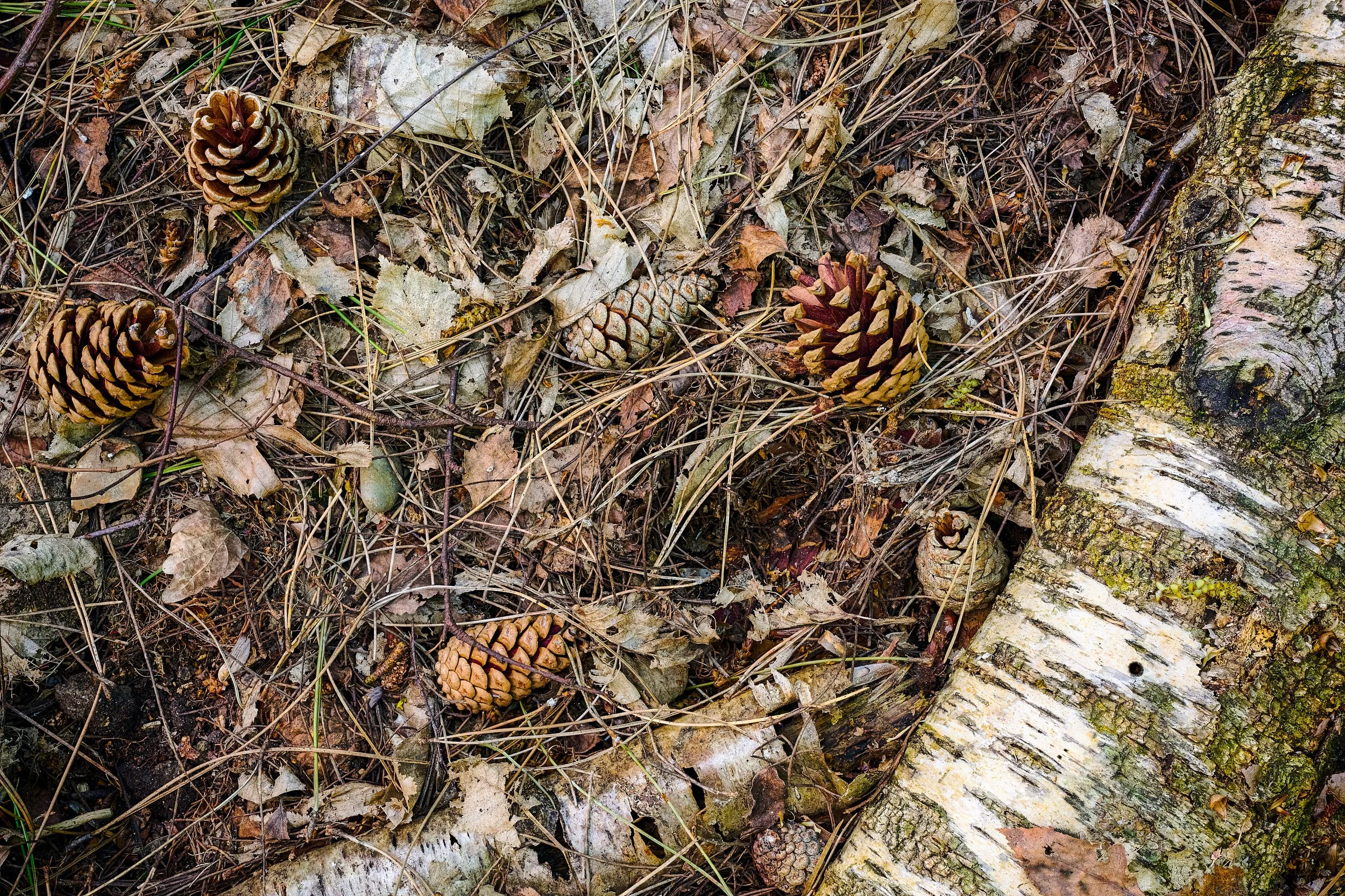
What draws me in is the peeling. Birch bark separates in thin horizontal layers, papery and precise, each one revealing a surface underneath that is darker, more complex and more textured than the last. On a living tree this process is slow and subtle. On a fallen tree, or one that has been cut and left, it accelerates — and what emerges is extraordinary. The decay does not diminish the bark. It opens it up. Layer by layer, the tree shows you something it kept hidden while it was alive and upright.
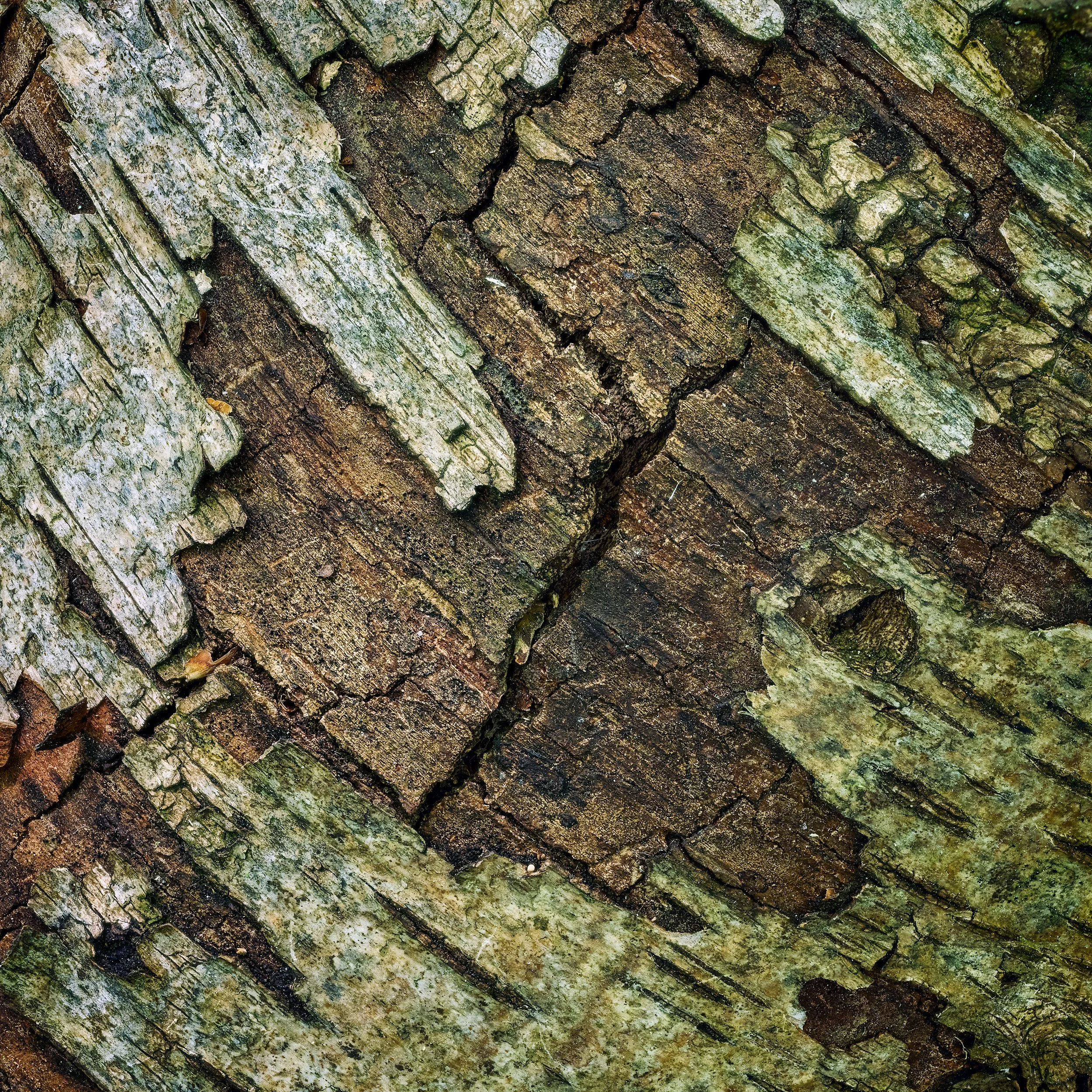
Mid-morning is when I shoot birch, when the light is shifting from soft to harsh. That transitional hour matters enormously with a surface like this. The pale outer bark reflects light differently to the darker layers beneath, and as the shadows move across the peeling edges they create a depth and dimensionality that flat light simply cannot produce. I have crouched in front of the same fallen birch on several visits and come away with completely different images each time — not because the bark has changed, but because the light has.
At macro scale, birch bark becomes almost architectural. The horizontal lines that run across the surface — called lenticels — are the tree's breathing pores, and up close they read as precise, deliberate marks rather than natural features. The contrast between the chalky white outer bark and the warm amber or deep brown of the layers beneath creates a tonal range that is difficult to exhaust. There is always another edge, another curl, another shadow falling into a gap that the last frame missed.
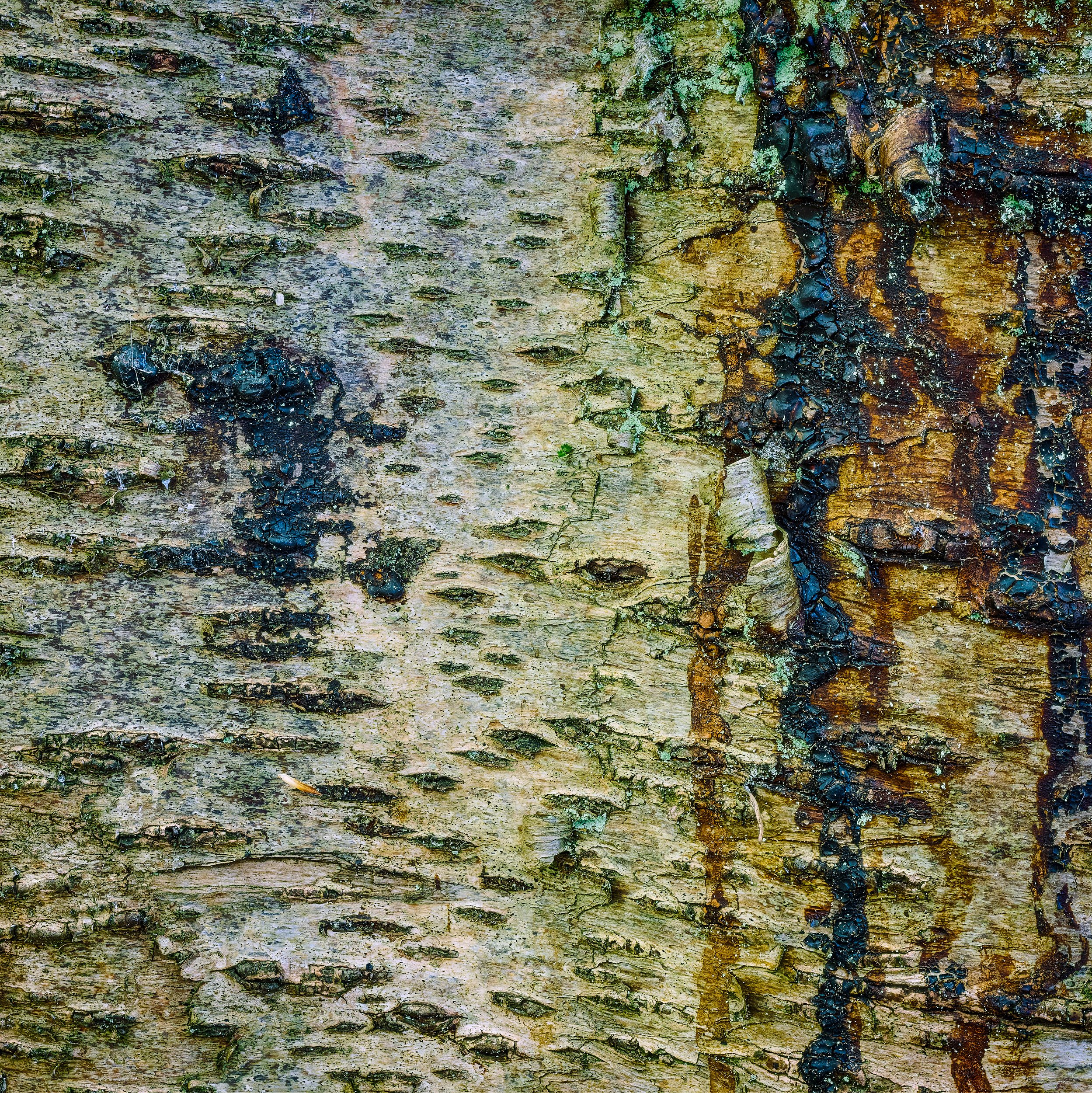
The fallen trees are where the most extraordinary detail lives. A birch that has been down for a season or two develops a surface that has no equivalent in any standing tree I have found. The bark loosens and lifts at the edges, the undersides darken with moisture and time, and the wood beneath begins to take on colours — deep ochres, soft greys, occasional flashes of something almost orange — that the living tree never shows. It is not picturesque in the conventional sense. It is something more interesting than that.
I am still searching for the birch image I want to make into a print. I know roughly what it looks like — a section of peeling bark where several layers are visible simultaneously, caught in that mid-morning light where the shadows are just beginning to sharpen. The woods near Welwyn have the trees. It is just a matter of the right morning, the right angle, and being patient enough to wait for the light to do what I need it to do. That search is part of the process. Some subjects give themselves up quickly. The birch, so far, has not.