Why I Only Shoot Macro — and What It Taught Me About Seeing
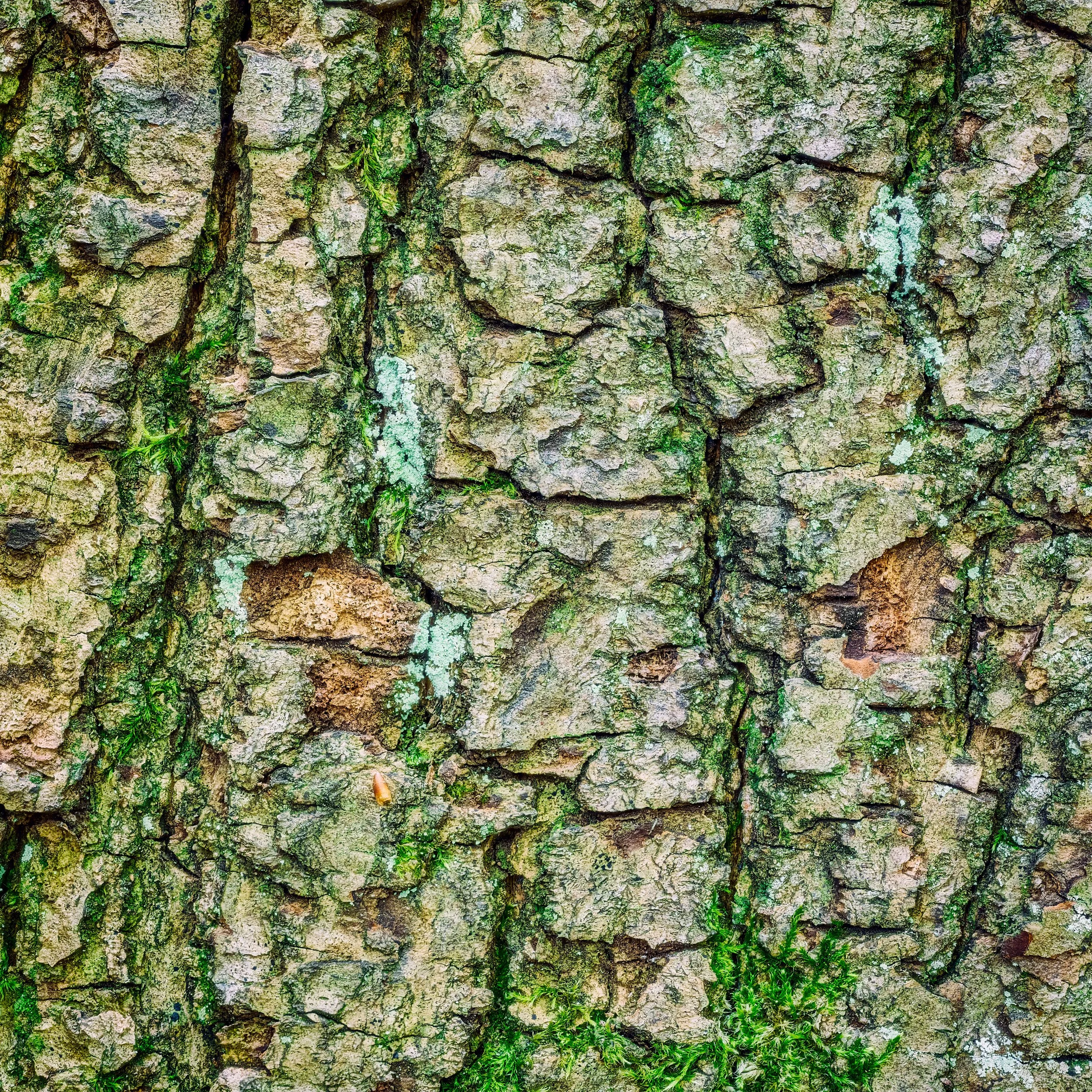
Nearly fifteen years ago I held a camera lens backwards against my camera body, held it in place, and pointed it at a piece of bark. I didn't have a macro lens. I barely had a system. What I had was curiosity, a forum post explaining the reverse lens technique, and no real expectation of what might happen. What came back through the viewfinder stopped me completely. Detail I had never noticed — texture, colour, structure — sitting right there on a surface I had walked past a thousand times. I have been chasing that feeling ever since.
It started with not having the right equipment. That first reverse lens shot was not technically impressive by any measure. It was soft in places, the exposure was guesswork, and the depth of field was so shallow that only a sliver of the frame was sharp. But none of that mattered. What mattered was that I could see something. Something that had always been there, invisible to the casual glance, waiting for someone to get close enough to ask the question.
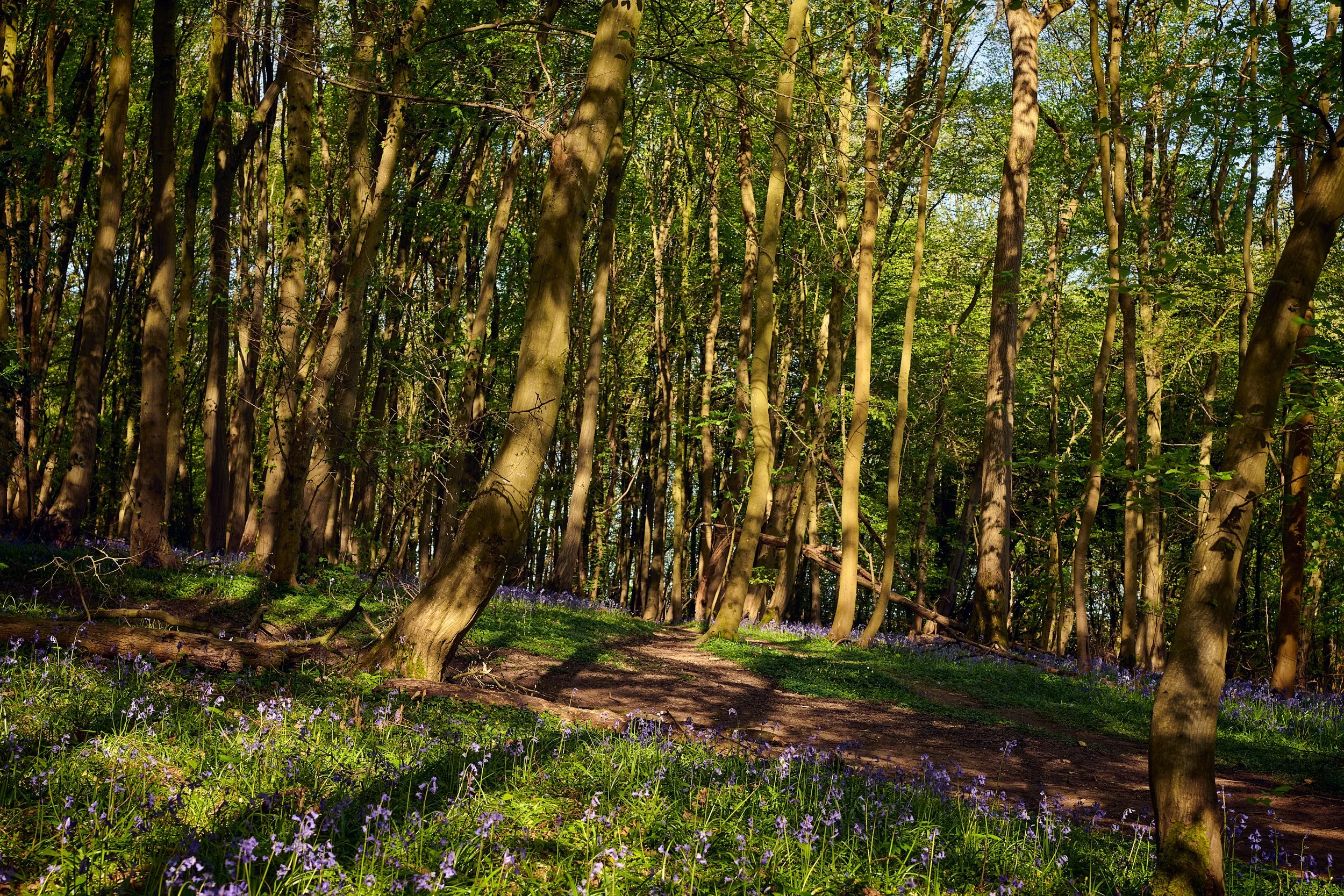
Macro photography taught me that most things have layers. Not just bark, not just nature — most things. Photography in general gives you tools to reveal what the eye skips over. A fast shutter speed freezes a moment that exists for a fraction of a second. A slow one lets motion blur into something that feels almost alive. Selective focus pulls one thing forward and lets everything else recede. But macro does something particular. It removes the context entirely and asks you to look at the thing itself — its surface, its structure, its colour — without the shorthand of knowing what it is.
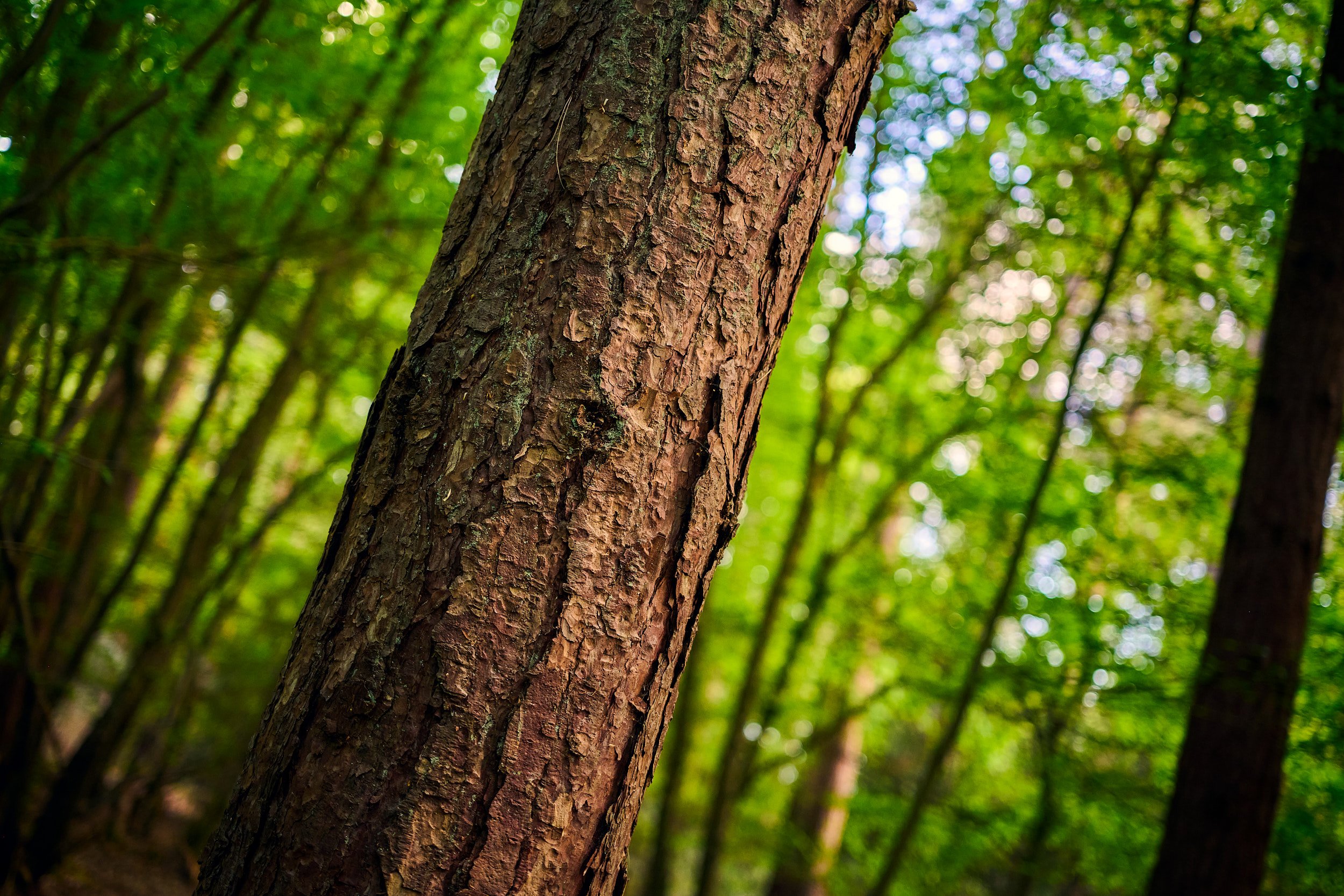
In my day job I manage technology platforms and data systems. The work is detail-oriented in a different way — reading between the lines of a requirement, understanding the wider organisation well enough to know which details will matter and which are noise, finding the thing that will make a real difference but isn't written anywhere in the brief. I didn't connect those two ways of thinking for a long time. But they are the same instinct. Get close. Look properly. The surface is never the whole story.
The photographs I make are not documentary. I am not trying to show you what a tree looks like. I am trying to show you what a tree is — at least one layer deeper than you usually get to see. When I press the lens close to a piece of bark and find the focal plane, I am not recording a subject. I am discovering one. That distinction took me years to articulate but it shapes every decision I make behind the lens — where I place the frame, when I release the shutter, what I choose to keep in the edit.
Some subjects give you that discovery quickly. Others take multiple visits, different light, different seasons before they reveal anything worth keeping. The ones that keep giving are the ones I come back to. Silver birch in low winter light. Ancient oak at 1:1 scale. And one particular piece of pine bark that I have returned to more times than I can count because it seems to have no bottom — every time I think I have exhausted it, a change in the angle or the hour shows me something I had not noticed before.
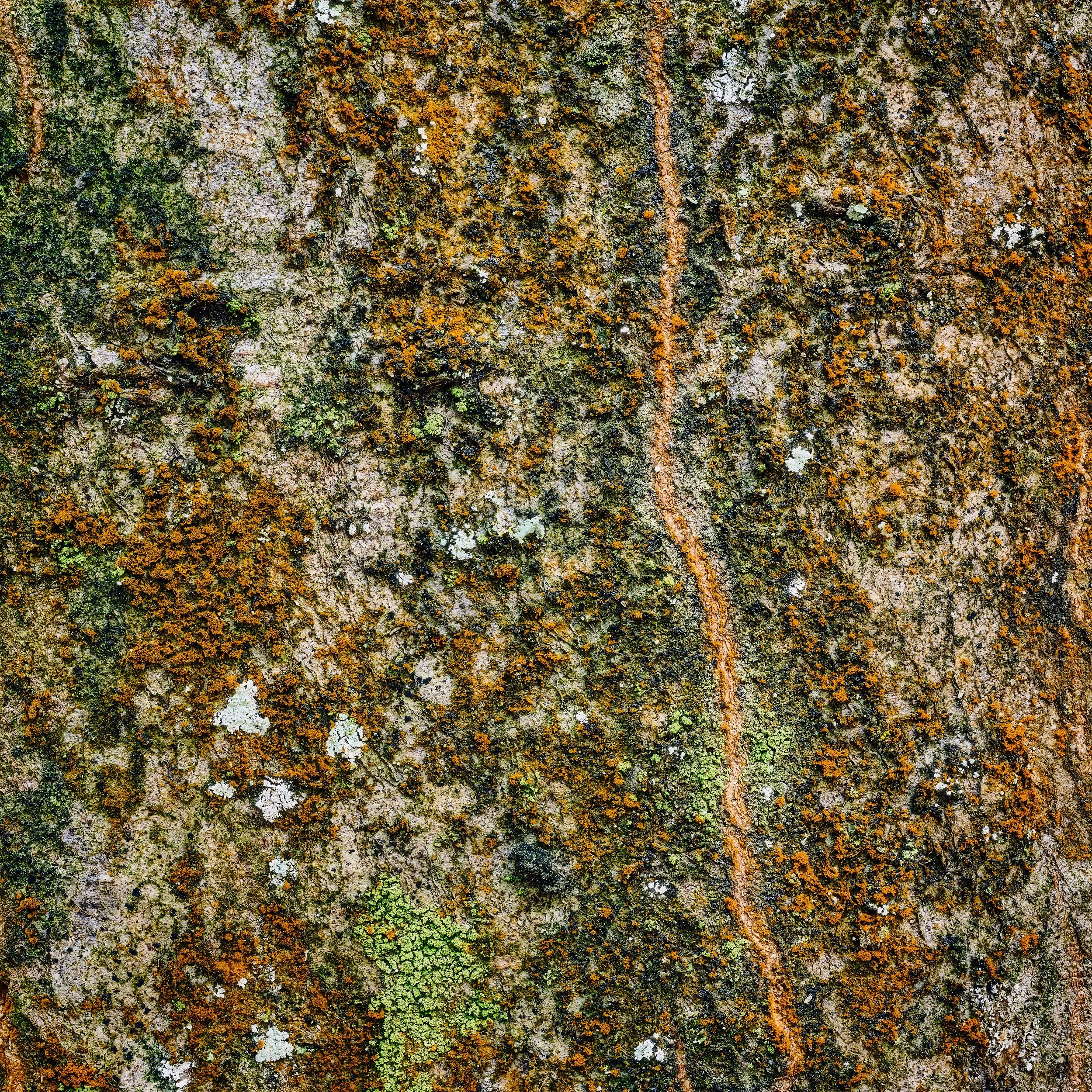
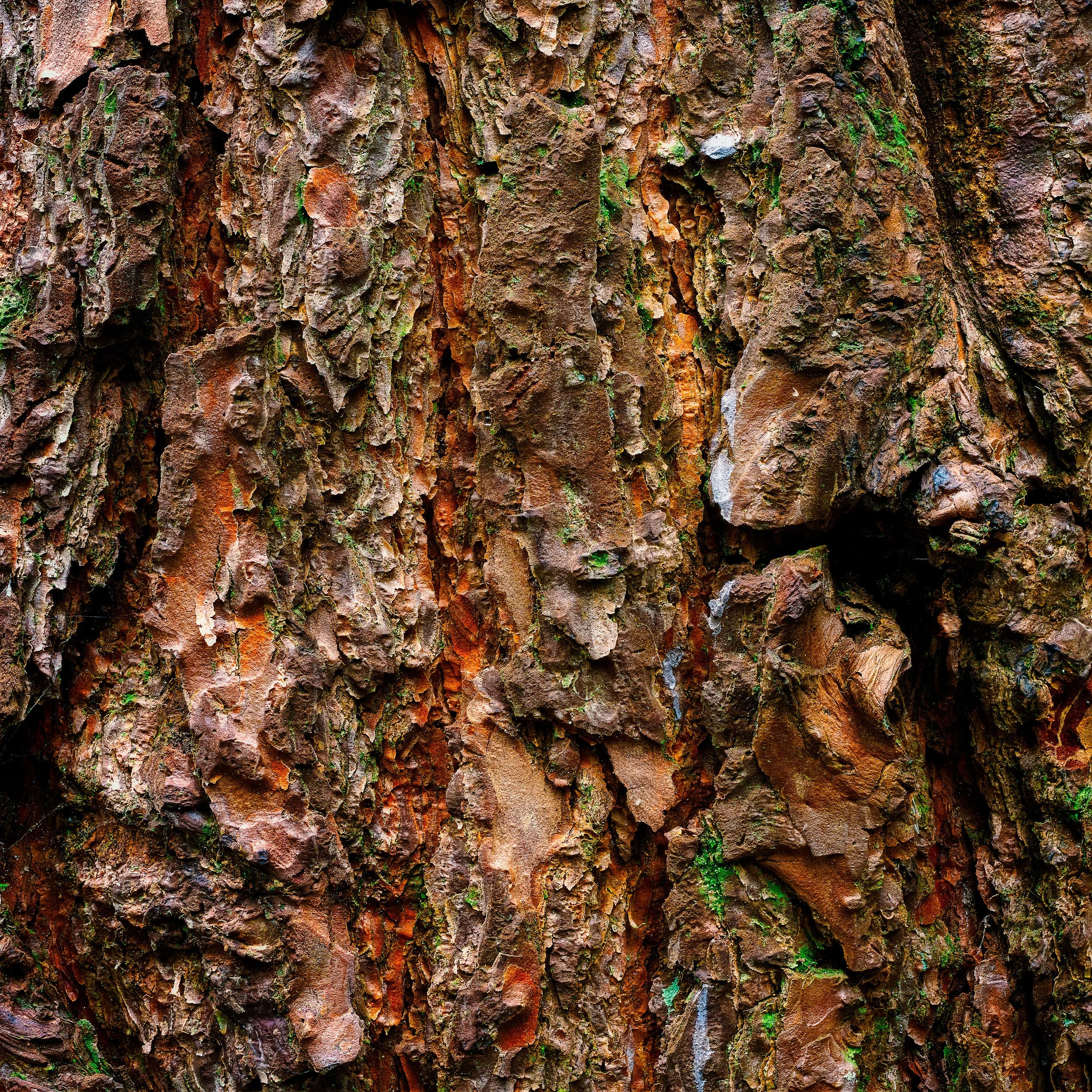
The print I keep returning to when I think about what macro actually does is Ember. It is a piece of bark the colour of a dying fire — amber, rust and burnt sienna running in vertical streams, a bright vein of orange through the centre like heat still escaping. When I first processed it I genuinely was not certain what I was looking at. That moment of not-knowing, that slight disorientation before the image resolves — that is exactly what I am after every time I go out with a camera. Not confusion for its own sake. Just the small, useful shock of seeing something familiar made strange.
If you have never tried shooting macro, try it. You do not need specialist equipment. A reversed kit lens and a willing subject — a leaf, a stone, a piece of wood — is enough to start. The technique is almost beside the point. What you are really practising is the habit of looking twice. Of assuming there is more to see than the first glance offers. That habit, once formed, does not stay behind the camera.